Where the line is
ROMs, BIOS Files and Dumps: What the Words Mean and Where the Legal Line Sits
What the words actually mean, and where the line sits in your country.
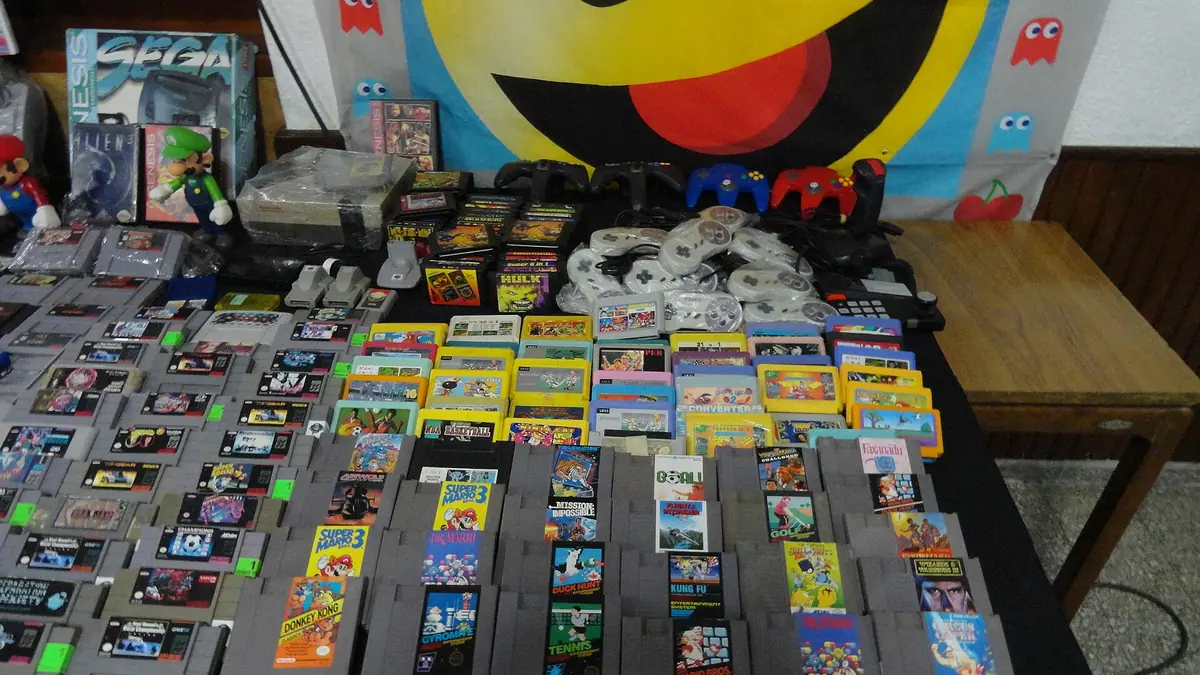
Photograph: NaBUru38 · CC BY-SA 4.0 · Wikimedia Commons
The takeawayYou understand the distinctions and know which authority to check for your own country.
The world of retro gaming and emulation is a complex one, filled with technical terms and legal intricacies. While the act of emulating classic games on modern hardware can be nostalgic and educational, the legal landscape surrounding the use of ROMs, BIOS files, and dumped copies from original hardware is anything but straightforward. This article aims to clarify the distinctions between these various digital assets, explain the legal considerations that apply to their use, and provide a roadmap for navigating the murky waters of copyright law and emulation.
What Are ROMs, BIOS Files, and Emulation?
ROMs, or Read-Only Memory images, are digital copies of game cartridges or discs that allow emulators—software programs that mimic the functionality of classic gaming consoles—to run the games on modern hardware. These ROM images contain the game code, graphics, and soundtracks, effectively capturing a snapshot of the game as it was originally released.
The process of creating a ROM, often referred to as "dumping," involves extracting the data from a physical cartridge or disc and saving it in a digital format. This creates a duplicate of the game that can be played on an emulator without the need for the original physical media. The legality of dumping depends on whether the original copy of the game was lawfully obtained and whether the dumped file is used for personal or commercial purposes.
BIOS files, or Basic Input/Output System files, are distinct from game ROMs. These files contain the core system software and firmware necessary to bootstrap a gaming console when it is powered on. In the context of emulation, BIOS files allow emulators to accurately replicate the behavior of the original hardware, ensuring that games run as they were intended.
Why Emulators Are Treated Differently
Emulator software itself is often treated differently from the game ROMs and BIOS files it emulates. In the United States, emulator software can be lawful if it is independently created and does not directly copy the protected code of the original console. This is known as the "interoperability" defense, which allows software designed to interact with other copyrighted works to operate without infringing on their ownership rights.
However, the legality of emulators is also influenced by the presence of BIOS files and the use of ROMs. If an emulator software bundle includes copied BIOS files or ROMs, or if the emulator itself is designed to circumvent the technological protections of the original console, the legal waters become much more murky. In the United States, the DMCA's anti-circumvention provisions make it illegal to bypass access control measures and to traffic in tools designed primarily for this purpose, regardless of whether the subsequently accessed files themselves are infringing.
Navigating the U.S. Legal Landscape
In the United States, the Digital Millennium Copyright Act (DMCA) governs the interaction between copyrighted materials and the technologies that access or interact with them. Under the DMCA, the anti-circumvention provisions in 17 U.S.C. §1201 prohibit the bypassing of technological measures that control access to copyrighted works, as well as the trafficking in tools primarily designed for this purpose.
The legality of ROMs and BIOS files in the United States is further complicated by the DMCA's exemption process. The U.S. Copyright Office periodically issues exemptions to the 1201 anti-circumvention rules, allowing for specific uses of circumventing technologies that do not infringe upon copyright. For example, current exemptions include the ability to jailbreak a video game console to play lawfully obtained games on unofficially supported devices. However, these exemptions are time-limited and must be reviewed periodically, so relying on past exemptions can be risky.
It's important to note that owning a physical copy of a game cartridge or disc does not necessarily grant the legal right to copy or download the game's ROM. The U.S. Copyright Office distinguishes between "owning a copy" and "the right to make or download a copy," emphasizing that these two concepts are not synonymous. Furthermore, state and federal laws often stipulate that the right to copy copyrighted materials does not transfer automatically at the time of sale, meaning that unlocking the software on the cartridge or disc to play on emulators can cross into infringing territory.
Europe's Approach to Emulation and Copyright
In Europe, the legal landscape surrounding emulation and copyright is equally complex, but with some notable differences. The European Commission's InfoSoc Directive (Directive 2001/29/EC) sets out certain exceptions to copyright, including provisions for private copying. However, these exceptions are implemented differently in each member state, and often come with provisions for fair compensation to rightsholders.
Interoperability is dealt with separately, under the EU's Software Directive rather than InfoSoc, and what it protects is the act of writing independent software that works with an existing system. It does not reach the dumping or downloading of a game image.
Safe and Legal Alternatives
Given the legal risks surrounding the downloading and use of ROMs, BIOS files, and dumped game data, a cautious approach is recommended. Where possible, players should seek out officially released emulations, remasters, or re-releases of games that have been authorized by the copyright holder. For collectors with physical copies of games, it's safer to stick with officially distributed ROMs from legitimate sources, run unlicensed software only on homebrew or community developer projects, and favor publisher-endorsed or community-commissioned ports of classic games licensed or authorized by rightsholders.
Before You Download: A Checklist
Before downloading any ROM, BIOS file, or emulator software, it's crucial to consider the following:
- Check Your Ownership: Ensure that you lawfully own the original physical copy of the game or console.
- Consult Domestic Law: Review your country's or region's copyright laws, implementing regulations, and any applicable exemptions.
- Seek Official Emulation Sources: Priority should be for using emulator programs released or endorsed by the original publisher or manufacturer.
- Research Current Exemptions: Check with the relevant copyright office or regulator for any temporary exemptions or clarifications regarding emulation and copyright laws in your jurisdiction.
Emulation is a powerful tool for preserving, experiencing, and studying video game history, but it's important to do so in a way that respects the rights of game developers and publishers. By understanding the differences between emulator software, game ROMs, BIOS files, and the legal safeguards in place, you can enjoy the world of retro gaming while navigating the complex landscape of copyright and emulation.